
Daily Archives: April 13, 2024
Women sports journalists have been making their mark in the field of sports journalism for decades now. Despite facing numerous challenges, these women hav…
Women sports journalists have been making their mark in the field of sports journalism for decades now. Despite facing numerous challenges, these women have continued to break barriers and pave the way for a more inclusive and diverse industry. With more women pursuing careers in sports journalism, the representation of women in this field is slowly but surely increasing.
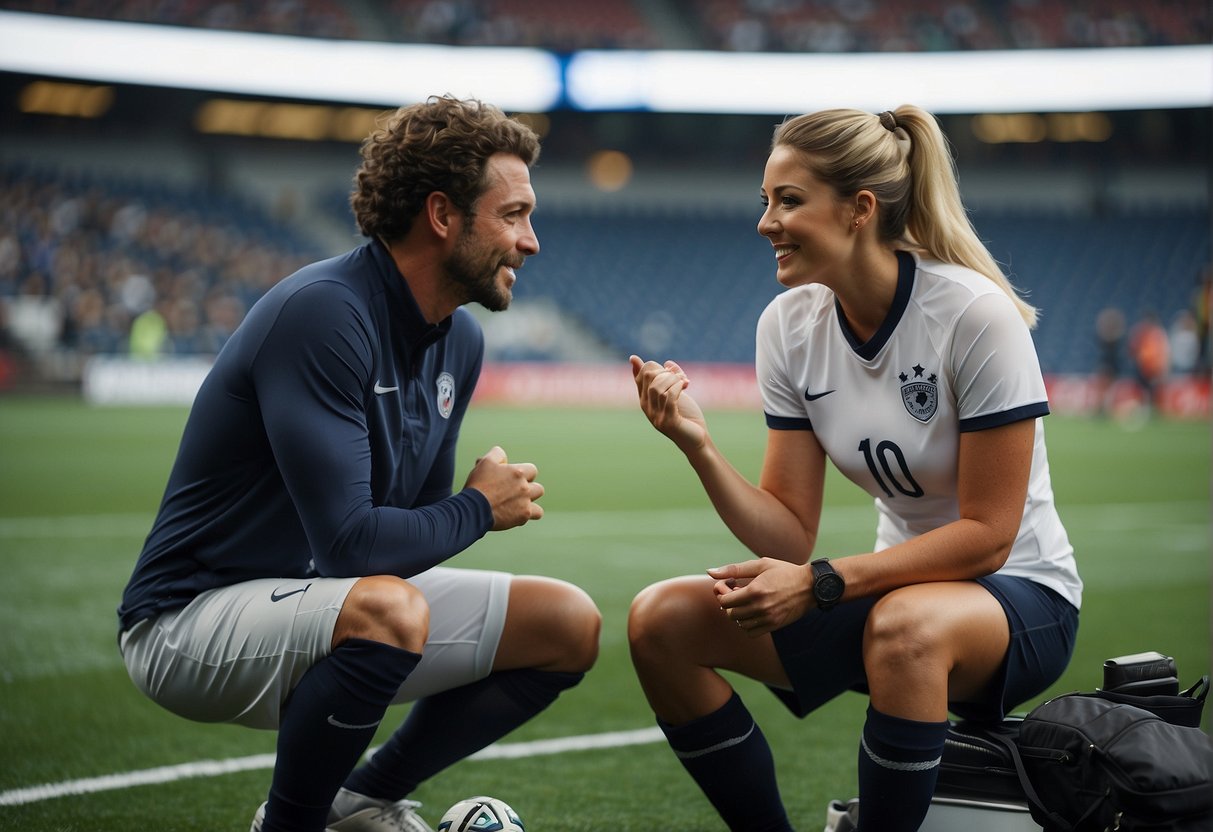
However, the road to gender equality in sports journalism is still long and winding. According to a recent Global Sport Matters feature, just 10 percent of sports editors and 11.5 percent of sports reporters in the United States and Canada are women. This underrepresentation of women in sports journalism can have a significant impact on the way sports stories are covered, as well as the way athletes are portrayed in the media.
Despite these challenges, women sports journalists have continued to make their voices heard. From covering the biggest sporting events in the world to breaking important news stories, these women have proven time and time again that they are just as capable as their male counterparts. In this article, we will take a closer look at the world of women sports journalists, their struggles and triumphs, and the impact they are having on the industry as a whole.
History of Women in Sports Journalism
Pioneering Women Sports Journalists
Women have been involved in sports journalism for more than a century. In 1896, Mary Garber became the first woman to work as a sports reporter in the United States. However, it was not until the 1960s that women began to make significant strides in the field.
One of the most influential pioneers of women in sports journalism was Lesley Visser. She became the first female NFL beat writer in 1976 and went on to become the first woman to cover the Super Bowl on television in 1984. Visser’s groundbreaking work opened the door for other women to enter the field.
Another trailblazer was Melissa Ludtke, who successfully sued Major League Baseball in 1978 for the right to enter the locker room to interview players. This landmark case helped to break down barriers for women in sports media and paved the way for equal access to athletes.
Evolution of Women’s Roles in Sports Media
Since the pioneering work of women like Visser and Ludtke, the number of women in sports journalism has steadily increased. Today, women are working in every aspect of sports media, from reporting to hosting to producing.
One of the most notable veteran sports journalists is Christine Brennan. She has been a sports columnist for USA Today since 1985 and has covered every major sporting event, including the Olympics, Super Bowl, and World Series. Brennan’s work has been recognized with numerous awards, including the prestigious Red Smith Award.
The evolution of women’s roles in sports media has also led to a greater focus on women’s sports. Women’s sports have historically received less coverage than men’s sports, but with more women in sports journalism, there has been a shift towards more equal coverage. This has helped to raise awareness of women’s sports and promote gender equality in the industry.
In conclusion, women have made significant contributions to sports journalism throughout history. From pioneering work to breaking down barriers, women have played an integral role in shaping the industry. As more women enter the field, we can look forward to a more diverse and inclusive future for sports media.
Challenges Faced by Women Sports Journalists
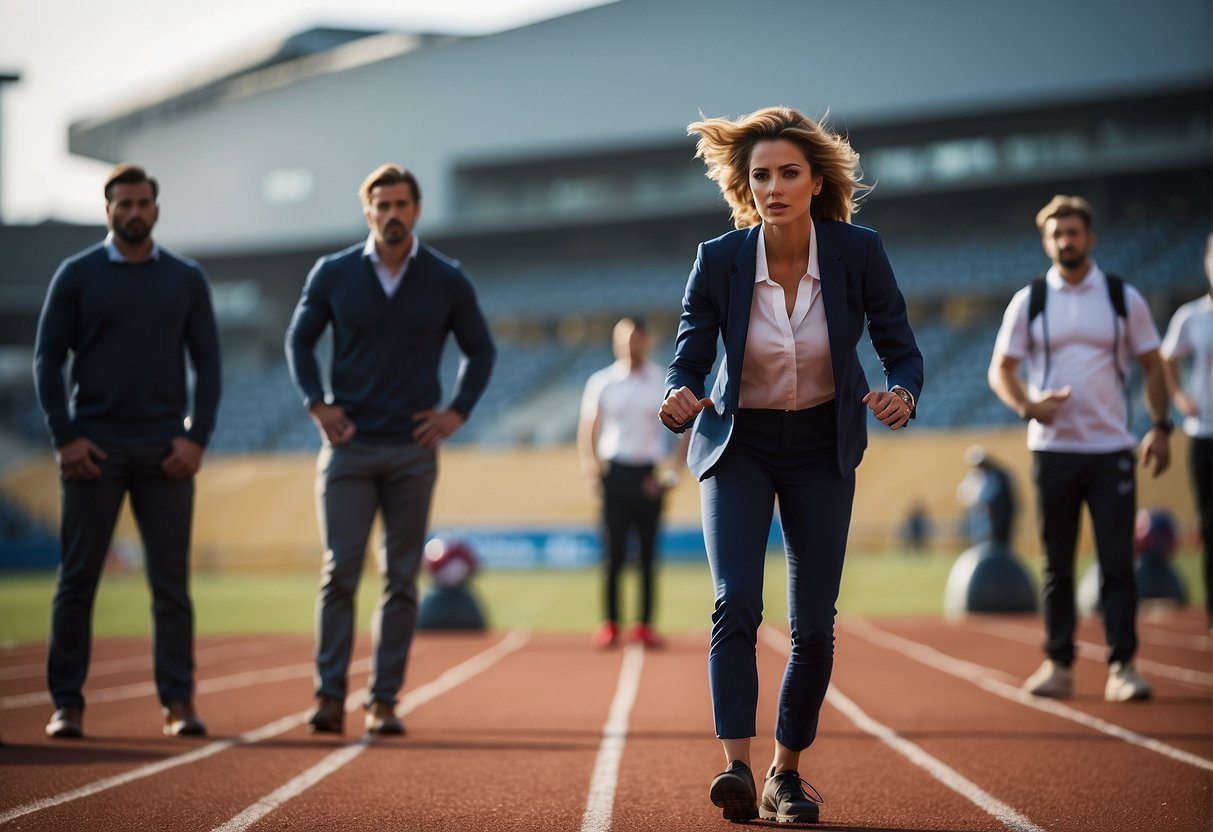
As women continue to make strides in the sports journalism industry, they still face numerous challenges that their male counterparts do not. In this section, we will explore some of the most common challenges that women sports journalists face.
Gender Bias and Harassment
One of the biggest challenges that women sports journalists face is gender bias and harassment. Women in this industry are often subjected to sexist comments and inappropriate behavior from athletes, coaches, and even their own colleagues. This can make it difficult for them to do their job effectively and can lead to feelings of isolation and frustration.
In addition to this, women sports journalists are often not taken as seriously as their male counterparts. They may be overlooked for certain assignments or not given the same opportunities for career advancement. This can be demoralizing and can make it difficult for them to stay motivated in their work.
Balancing Representation and Professionalism
Another challenge that women sports journalists face is balancing representation and professionalism. Women in this industry are often pressured to represent their gender and speak out on issues related to gender equality. While this is important, it can be difficult to balance this with the need to remain professional and unbiased in their reporting.
Women sports journalists must also navigate the tricky waters of representing female athletes in a positive light without being seen as biased or overly supportive. This can be especially challenging in a male-dominated industry where female athletes are often overlooked or not given the same level of attention as their male counterparts.
Overall, women sports journalists face numerous challenges in their industry. From gender bias and harassment to balancing representation and professionalism, these challenges can make it difficult for them to do their job effectively. However, by continuing to push for gender equality and representation in the industry, we can help to create a more inclusive and supportive environment for all sports journalists, regardless of gender.
The Role of Social Media

Social media has played a significant role in the rise of women in sports journalism. It has provided a platform for female sports journalists to build communities and support systems, share their work, and express their opinions. However, it has also opened the door to increased online harassment.
Building Community and Support
Social media has allowed female sports journalists to connect with each other and build a sense of community. They can share their experiences, discuss industry trends, and support each other through challenges. This support system has been crucial in helping women overcome the barriers …