
Daily Archives: April 16, 2024
Sports radio broadcasting is a dynamic and exciting field that offers a range of opportunities for aspiring broadcasters. From play-by-play announcing to s…
Sports radio broadcasting is a dynamic and exciting field that offers a range of opportunities for aspiring broadcasters. From play-by-play announcing to sports talk radio hosting, there are many different roles to consider. If you are passionate about sports and have a talent for broadcasting, then a career in sports radio broadcasting may be the perfect fit for you.
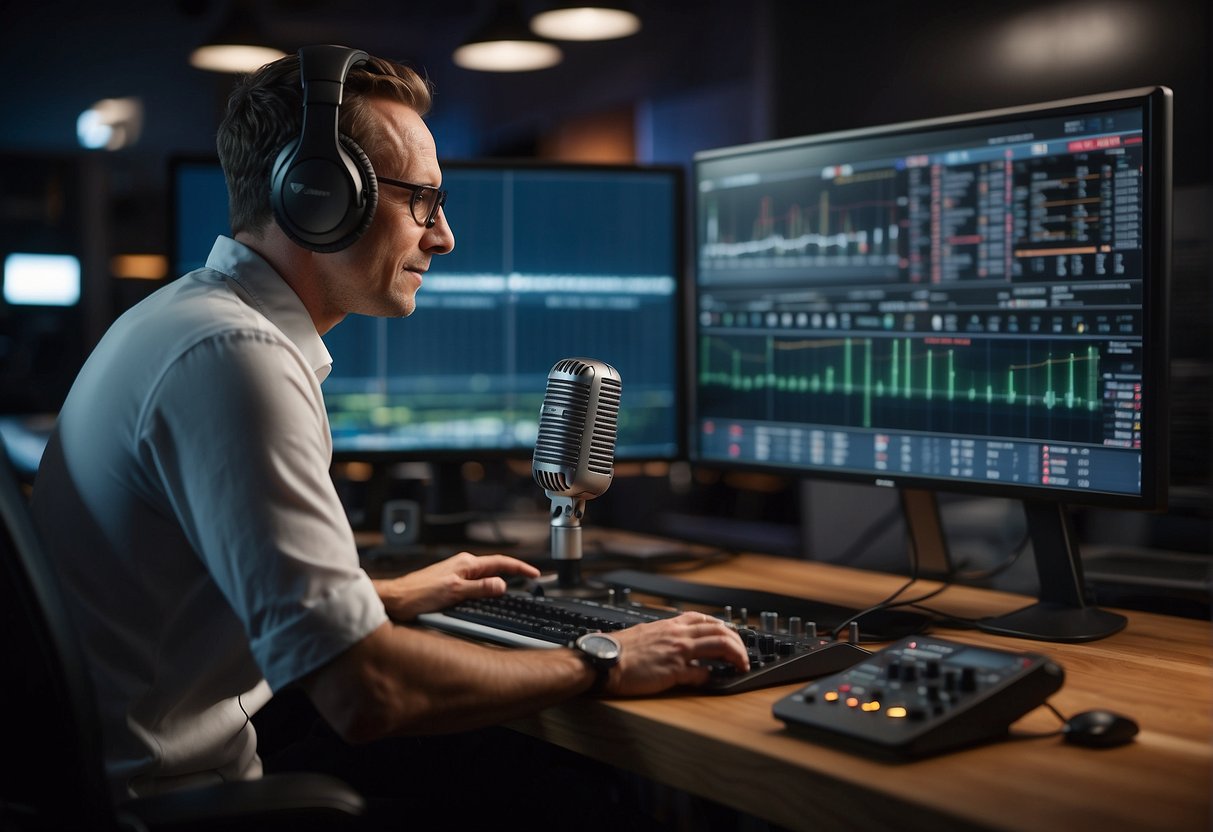
One of the primary roles in sports radio broadcasting is play-by-play announcing. This involves describing the action of a sporting event as it unfolds, providing live commentary on the game. Play-by-play announcers must have a strong understanding of the sport they are covering, as well as excellent communication skills and the ability to think on their feet. They must be able to convey the excitement and drama of the game to listeners who cannot see the action for themselves.
Another role in sports radio broadcasting is sports talk radio hosting. This involves leading discussions about sports-related topics and interviewing guests such as athletes, coaches, and analysts. Sports talk radio hosts must have a deep knowledge of the sports world and be able to engage with listeners in a lively and entertaining way. They must also be able to handle a variety of opinions and viewpoints, as well as navigate controversial topics.
Overview of Sports Radio Broadcasting
Sports radio broadcasting is a dynamic and exciting field that has undergone significant changes over the years. In this section, we will provide an overview of the history and evolution of sports broadcasting, the current landscape of sports radio, and the role of digital and social media in the industry.
History and Evolution of Sports Broadcasting
Sports broadcasting has a rich history that dates back to the early 1900s. The first-ever sports broadcast was a boxing match that was aired on the radio in 1921. Since then, sports broadcasting has grown in popularity and has become an essential part of the media landscape.
Over the years, sports broadcasting has evolved significantly, with new technologies and platforms emerging. Today, sports broadcasting encompasses not only radio but also television, digital media, and social media.
Current Landscape of Sports Radio
Sports radio remains a popular medium for sports fans to get their daily dose of sports news and analysis. In the US, there are hundreds of sports radio stations that cover a wide range of sports, from football and basketball to baseball and soccer.
Sports radio programming includes live game coverage, talk shows, and analysis, among other things. Sports radio hosts and analysts are highly knowledgeable about their respective sports and provide expert insight and analysis to their listeners.
Role of Digital and Social Media
Digital and social media have revolutionized the sports broadcasting industry. Today, sports fans can access a wide range of sports content on their smartphones, tablets, and computers.
Sports radio stations have also embraced digital and social media, with many stations offering live streaming of their programs and podcasts. Social media has also become an essential tool for sports radio hosts and analysts to connect with their listeners and engage with them on a more personal level.
In conclusion, sports radio broadcasting is an exciting and ever-evolving industry that continues to provide sports fans with quality content and expert analysis of their favorite sports. With the continued growth of digital and social media, the future of sports radio broadcasting looks bright.
Types of Sports Radio Broadcasting Jobs
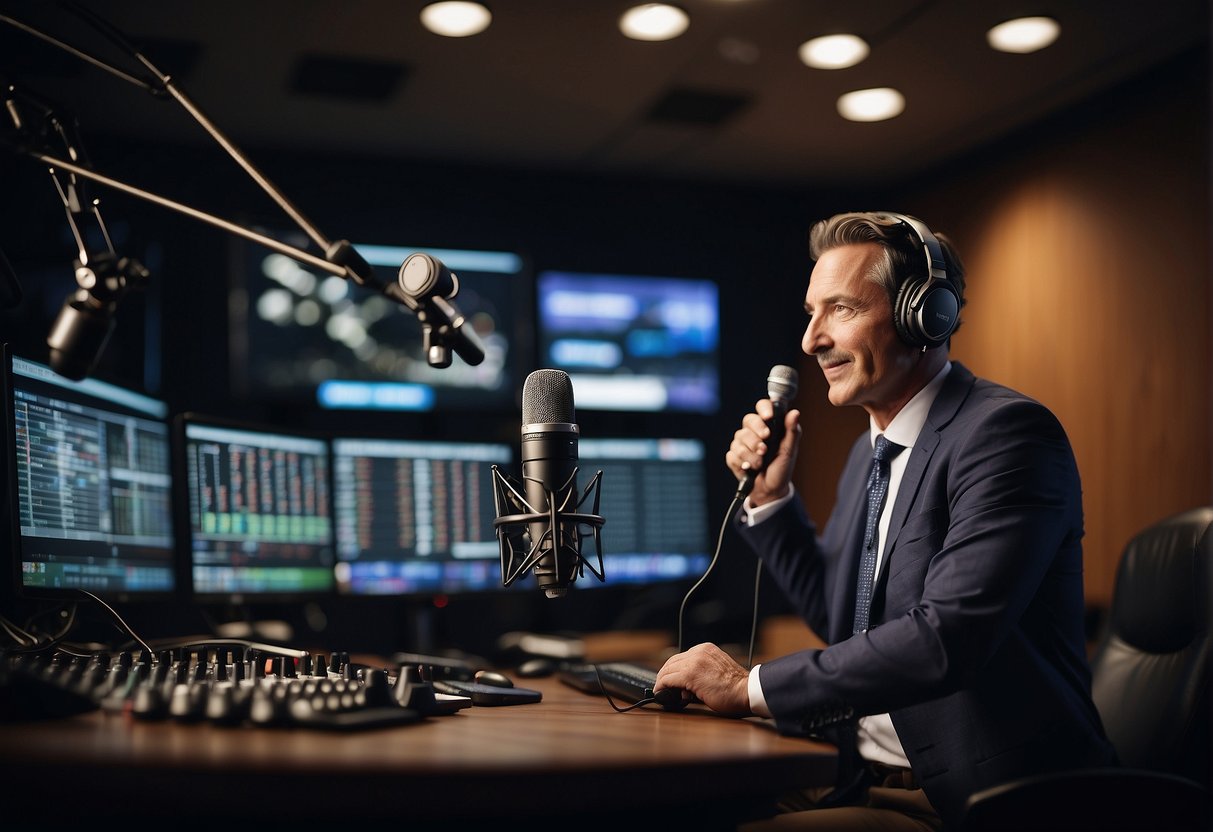
At the heart of every sports radio station is a team of talented professionals who work together to create compelling content that engages listeners. Here are some of the most common types of sports radio broadcasting jobs:
On Air Host and Sports Anchor
The on-air host and sports anchor is the face of the station. They are responsible for presenting the news, conducting interviews, and providing commentary on the latest sports events. They must have excellent communication skills, a deep knowledge of sports, and the ability to think on their feet.
Radio Producer and Program Director
The radio producer and program director is responsible for overseeing the production of all on-air content. They work closely with the on-air host and sports anchor to ensure that the show runs smoothly and that all segments are delivered on time. They must have excellent organizational skills, the ability to multitask, and a deep understanding of the technical aspects of radio production.
Sports Reporter and Journalist
The sports reporter and journalist is responsible for covering the latest sports news and events. They must have excellent research skills, the ability to write compelling stories, and the ability to work under tight deadlines. They may also be responsible for conducting interviews and providing commentary on sports events.
At our station, we take great pride in the quality of our sports radio broadcasting team. Each member brings a unique set of skills and talents to the table, and together, we work to create content that informs, entertains, and inspires our listeners.
Getting Started in Sports Radio
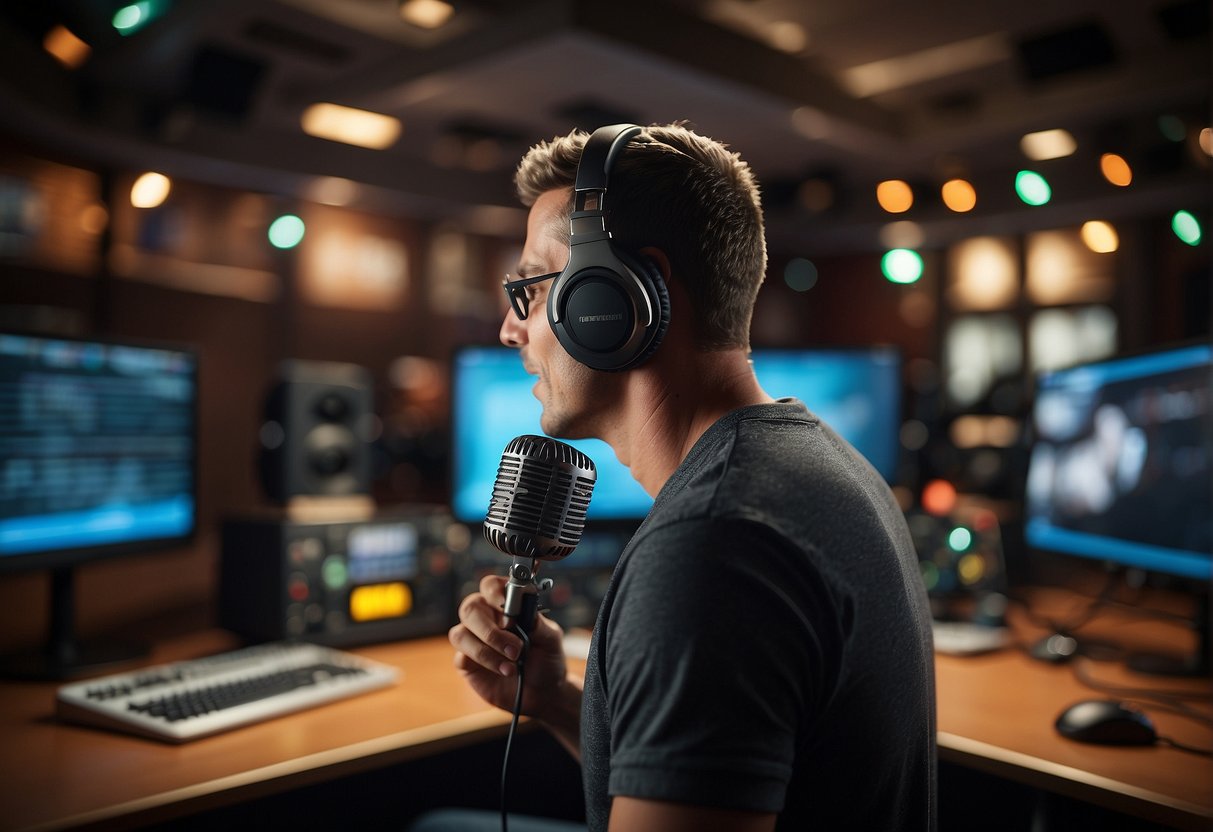
If you are interested in pursuing a career in sports radio broadcasting, there are a few things you should know about getting started. In this section, we will discuss the education and skills required, entry-level positions and internships, and building a professional network.
Education and Skills Required
While you don’t necessarily need a college degree to work in sports radio, it can be helpful to have one. A degree in journalism, communications, or a related field can provide you with the skills and knowledge you need to succeed in this field. Additionally, having strong communication skills, both written and verbal, is essential. You should also be comfortable working with technology and have experience with audio editing software.
Entry-Level Positions and Internships
When starting out in sports radio, it is common to begin in an entry-level position or internship. These positions can provide you with valuable experience and help you build your skills and network. Some common entry-level positions include production assistant, board operator, and on-air personality for a small market station. Internships can be found at …